


Listen to the audio version of this article. (Generated by A.I.)
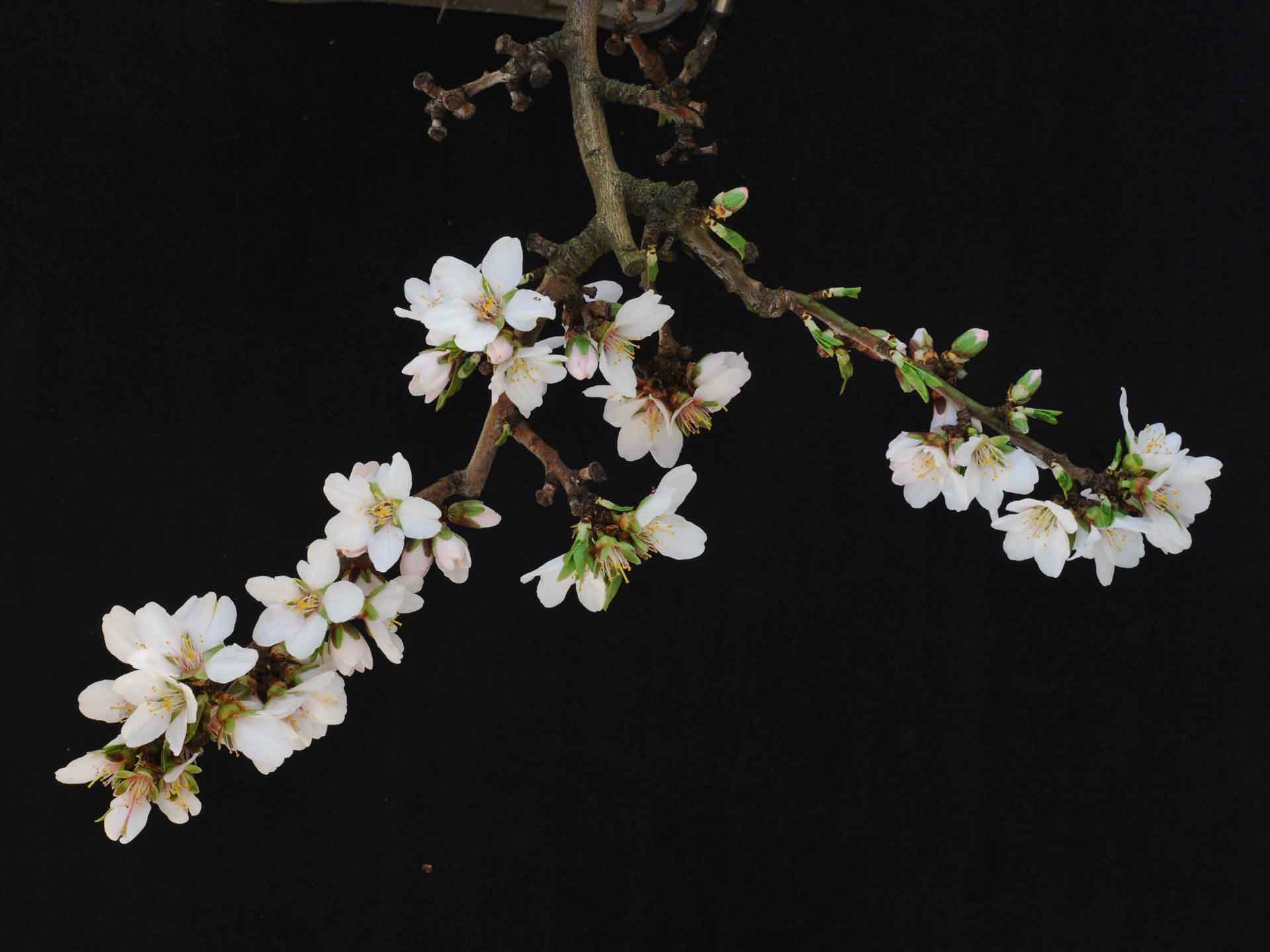
Every business has a moment early in the year where you can tell if it is set up to win or spend the next several months playing catch-up. In tree nuts, that moment is bloom.
Bloom is not about flowers. It is about how prepared the operation is, how clearly decisions are made, and how much discipline shows up when it matters. Long before bins are filled or prices are debated, bloom quietly signals whether the year will feel controlled or chaotic.
From a business standpoint, bloom is where leadership shows up.
Bloom has a way of exposing preparation fast. Irrigation systems either work or they do not. Plans either exist or they do not. Teams are either aligned or scrambling.
The best operations do not treat bloom like a surprise. They come into it knowing systems are ready and people know their roles. That confidence alone has value. It keeps decisions calm, reduces last-minute spending, and avoids mistakes that cost real dollars later.
When irrigation is ready, it protects the investment already in the ground. When it is not, yield potential leaks out quietly. That is not a farming problem. That is a business problem.
The same applies to nutrition decisions. Bloom is not the time to chase shiny ideas or overcorrect out of fear. Smart operators stick to a plan, support the crop, and avoid creating issues that will need to be fixed later. Fixing problems always costs more than preventing them.
Frost is a leadership test
Few things create stress like frost during bloom. It shows up at the worst time, creates pressure, and forces quick decisions. That is exactly why frost separates strong management from reactive management.
Well-run businesses do not panic. They prepare. They decide ahead of time what matters, what does not, and when action is required. That preparation keeps emotions out of decisions when temperatures drop.
Panic leads to overspending, overwatering, and unnecessary stress on trees. Preparation leads to cleaner execution and fewer unintended consequences. In business terms, preparation protects margins.
You cannot control the weather. You can control how you respond to it.
Early discipline saves money later
One of the most expensive habits in agriculture is overreacting early in the season. Bloom tempts people to push harder, spend more, and chase every possible opportunity.
The most profitable operations resist that urge.
They understand that early excess almost always leads to later corrections. Extra growth creates extra costs. Extra fixes create extra headaches. Discipline early keeps the season simpler, cheaper, and more predictable.
This is where experience shows. Operators who have been through enough seasons know that slow, steady, and intentional decisions in March often outperform aggressive moves that look good on paper but hurt the bottom line.
Bloom is a business checkpoint
Bloom is also a checkpoint for the business itself. It is a moment to take an honest look at what is working and what is not.
Some blocks look strong. Others do not. That information matters. It helps decide where attention, time, and money should go as the season moves forward.
Strong managers use bloom to prioritize. They lean into the acres that can deliver the best return and manage risk where performance is weaker. That is smart business. Not every acre deserves the same investment every year.
Bloom gives you that clarity early enough to act on it.
Alignment beats effort
At bloom, more effort does not always mean better results. Alignment does.
When growers, advisors, and field teams are not aligned, small issues turn into big ones. Mixed messages slow decisions. Delays create costs. Confusion burns time and money.
Clear leadership early keeps everyone moving in the same direction. Expectations are set. Decisions are faster. Execution improves. That efficiency adds up over a season.
In any business, alignment reduces friction. In agriculture, it also protects yield.
Systems beat heroics
The operations that stay profitable year after year are rarely the ones relying on heroic last-minute saves. They rely on systems.
They plan early. They stick to proven approaches. They manage risk instead of reacting to it. They keep emotions out of decisions as much as possible.
Bloom is where those systems show up first. It is the moment when preparation meets reality and leadership becomes visible.
As markets remain tight and costs stay high, treating bloom as a business moment instead of just a biological one matters more than ever. Bloom sets the tone not only for the crop, but for how the season feels financially and operationally.
Strong businesses start the year with clarity, discipline, and calm execution. Bloom is where that story begins.