


Listen to the audio version of this article. (Generated by A.I.)
Before the workday even begins, one simple choice can make the difference between arriving home safely or suffering from a work-related injury. In the tree nut industry, personal protective equipment plays a critical role in protecting employees. The use of PPE when exposed to hazardous environments can reduce the risk of serious injuries or illness. Personal protective equipment is not only common practice, but it’s a regulatory requirement from Cal/OSHA to ensure employees have the protection they need to do their jobs safely.
Regulatory Requirements and Training
In California, employers are required to comply with Cal/OSHA regulations, with personal protective equipment being one. This means employers must have a personal protective equipment program and conduct and document workplace hazards. An assessment is conducted to identify any hazards that there may be in the workplace and if PPE is needed to reduce the risk of a serious injury. Once the risk has been identified, the employer is required to provide the appropriate equipment at no cost to the employee.
Once the PPE has been provided, the employee should be trained on when PPE is necessary or what PPE is necessary, as well as how to properly don, doff, adjust, wear PPE, the limitations of the PPE, the proper care, maintenance, useful life and disposal of the PPE per Cal/OSHA regulation. Training should be conducted in the language the employees can understand, and always remember to document when trainings were conducted. For example, having a sign-in sheet with what was covered and having employees sign the sign-in sheet to follow Cal/OSHA requirements. Each employee must understand how to properly use PPE and be able to wear it correctly before performing any job task that requires PPE. Retraining will be necessary when employees do not have the required understanding or skills. Retraining will need to be done when there are changes in the workplace.
Proper Use and Selection of PPE
When it comes to selecting PPE, OSHA requires that many categories of PPE meet or be equivalent to standards approved by the American National Standards Institute (ANSI) as well as Cal/OSHA requirements, like eye, face and hand protection. When selecting the proper PPE, employers must consider the fit and comfort of the PPE into consideration when selecting appropriate items for their workplace. PPE that fits well and is comfortable to wear encourages employees to use it, as most protective equipment is available in multiple sizes.
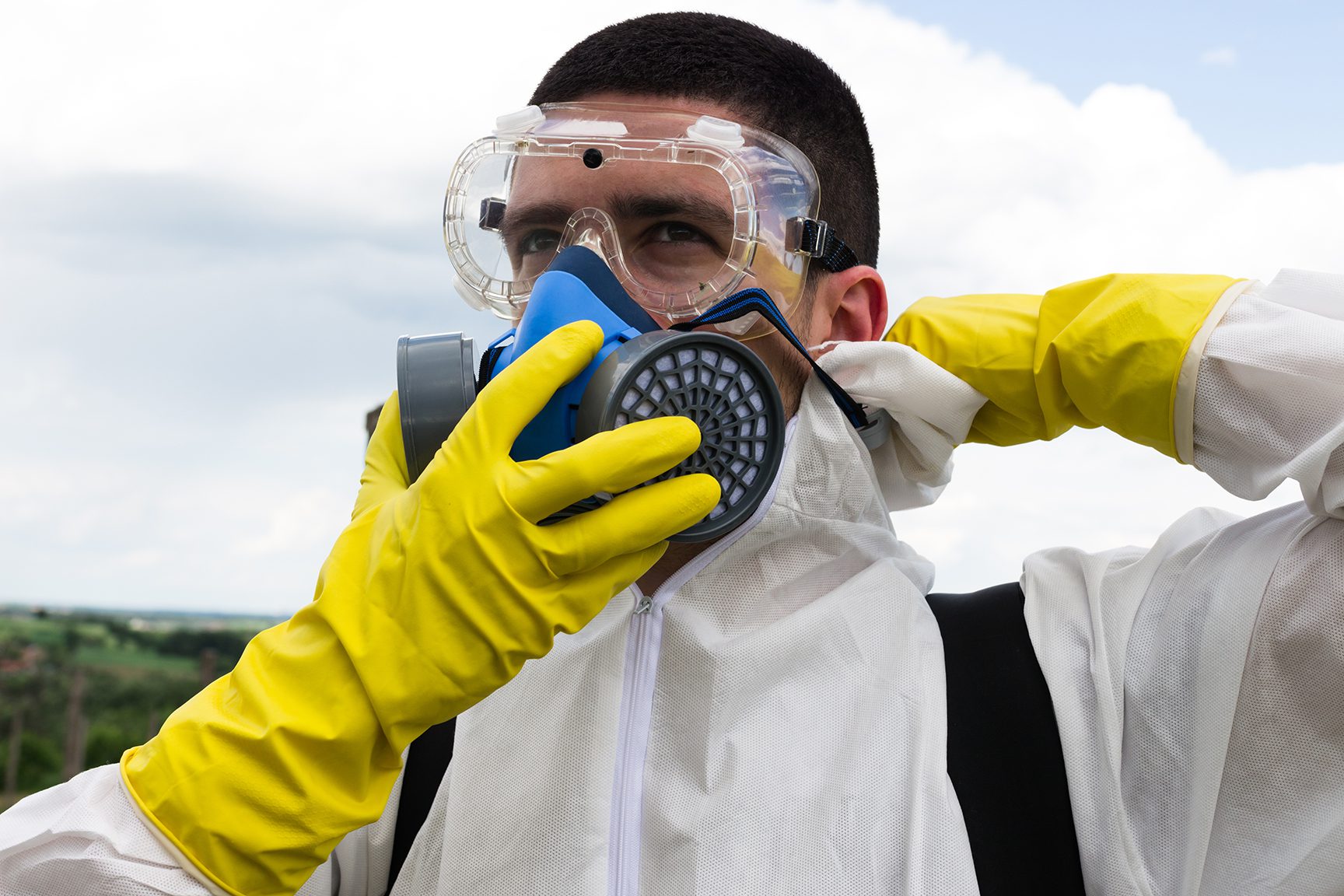
Workplace hazards are often unpredictable, which is why PPE plays an essential role in preventing serious injuries. One of the most significant risks we see is the improper use of PPE. Sometimes, when we are conducting our inspections of facilities, we will see employees not wearing their correct PPE when conducting their daily tasks. Whether it is not wearing their bump cap, goggles, face shield, gloves, aprons, Tyvek suit, earplugs or face masks, it can present a hazard to the employees.
Inside a huller or processor, employees are working around heavy, moving equipment operating above and below them. Wearing safety glasses and a face mask provides the protection the employees need when entering the facility. PPE adds an additional layer of protection just in case an accident does happen.
It is important employees wear the correct personal protective equipment. PPE is designed to reduce the risk of injury when hazards cannot be eliminated. For example, at some huller or processor facilities, employees may need to wear bump caps or hard hats to help protect them from serious head injuries caused by falling objects or low clearances.
Hearing, Respiratory and Everyday Protection
Based on my experience inspecting numerous hullers and processing facilities, I have seen the improper use of earplugs and dust masks. Some of the equipment in the facilities produces loud noise, enough to cause long-term hearing damage if the proper PPE is not used.
We want to make sure the employees are wearing the correct PPE for hearing protection, and that is earplugs or earmuffs. The employees must wear them correctly and should never rely on headphones, even those with noise cancellation features. While they do reduce some background sound, they do not provide the adequate protection from high-level noise.
Have you ever gone to your local gas station and had your propane tank filled? Next time you take your tank to get refilled, pay close attention to what the employee is wearing. Are they wearing any personal protective equipment that can protect them against serious injuries like freezer burns?
When refueling the propane tanks, employees should wear a face shield, protective gloves and an apron. In this case, safety glasses are not enough because they do not protect the entire face. On the other hand, a face shield protects the full face in case of a splash or sudden release of propane.
Personal protective equipment is critical to keeping workers safe when exposed to hazardous environments. A few things we can do include selecting the correct PPE and making sure employees are inspecting PPE before use and trained. This is a great way to be compliant, but more importantly, it ensures safety measures are in place to protect employees.