Listen to the audio version of this article. (Generated by A.I.)
Potential changes to the Irrigated Lands Regulatory Program (ILRP), as well as on-farm fertilizer use, could be on the way. In the fall of last year, the State Water Resources Control Board, or State Water Board, reconvened its ILRP Expert Panel, or Expert Panel, and charged them with reviewing current ILRP standards in an effort to ensure the regulation is being applied effectively in efforts to achieve groundwater protection limits.
The Expert Panel is made up of researchers and academics with expertise in Sustainable Groundwater Management Act technical assistance, University of California Cooperative Extension specialists, U.C. Sustainable Ag Research and Education, and agroecology and watershed ecology scientists. The panel was charged with answering nine questions vetted by stakeholders, primarily focusing on evaluating the current state of the ILRP program and all of the information that is reported to the State Water Board. Additionally, the Expert Panel will determine whether further requirements are necessary in the name of water quality protection.
The ILRP program has undergone drastic changes in requirements as it has been implemented across the various Regional Water Quality Control Boards throughout the state. Farmers previously had to report field inputs and commodities raised, whereas now farmers are required to report field-level inputs as well as harvested tonnage in an effort to demonstrate an in-field value of applied and removed nitrogen values, also referred to as the A/R ratio, or A/R.
There are regional differences in reporting requirements. For example, Central Valley region grower data is submitted to third-party coalitions, keeping growers relatively anonymous. The coalitions aggregate the data across their applicable region and submit their region’s input data to the State Water Board. Central Valley growers are required to report their annual fertilizer use and monitor on-farm drinking wells for nitrates and other groundwater contaminants as well. The Central Coast’s ILRP requirements include specific grower data submitted directly to the Central Coast Regional Board. Additionally, Central Coast growers are required to report their annual fertilizer use, conduct and submit annual soil testing, and identify fertilizer use, either top soil addressed or injected through the irrigation system.
For both regions, annual fertilizer use is evaluated, and higher-than-average use is flagged as an outlier. Outlier farms are required to undergo training on best management practices and work on getting their annual inputs in line with industry averages. Central Coast growers have an additional layer, where outliers must demonstrate that fertilizer applications during annual nitrogen cycles are necessary to maintain the expected yields. Continuous outlier status by a farm could require growers to pay penalties to the State Water Board.
‘The Expert Panel is evaluating whether the current ILRP framework sufficiently protects water quality in impacted areas.’
Although these guidelines have been approved by the State Water Board and upheld through various legal challenges the past couple of years, the Expert Panel is evaluating whether the current ILRP framework sufficiently protects water quality in impacted areas. The concerning questions charged to the Expert Panel include evaluating whether applied/removed, or applied/removed, are adequate metrics to measure potential discharge impacts of nitrogen to groundwater on-farm or in a specific region. Additionally, the Expert Panel is considering whether to implement hard limits, or targets, on fertilizer use based on average crop uptake values and regional use averaging. Additional questions include evaluating both the Central Coast and Central Valley’s differences in implementation of the ILRP order and whether the currently reported information is adequate.
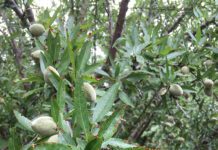
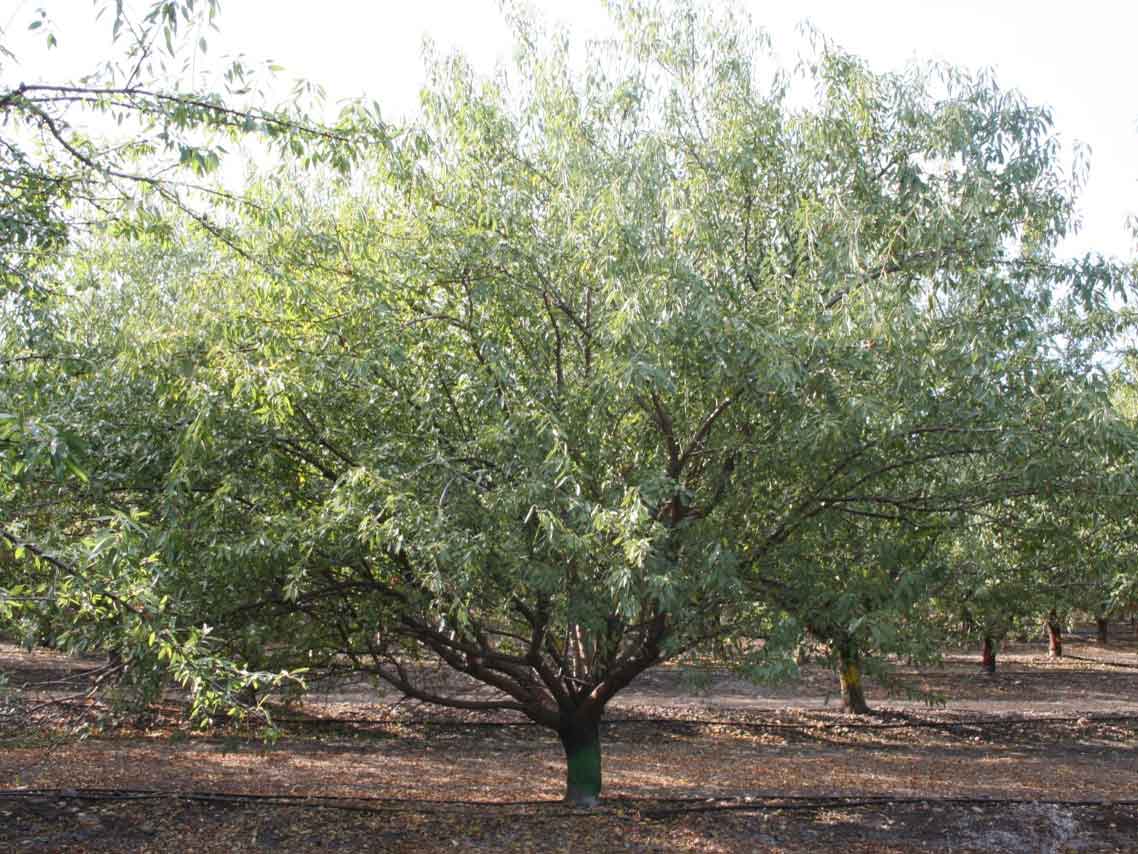
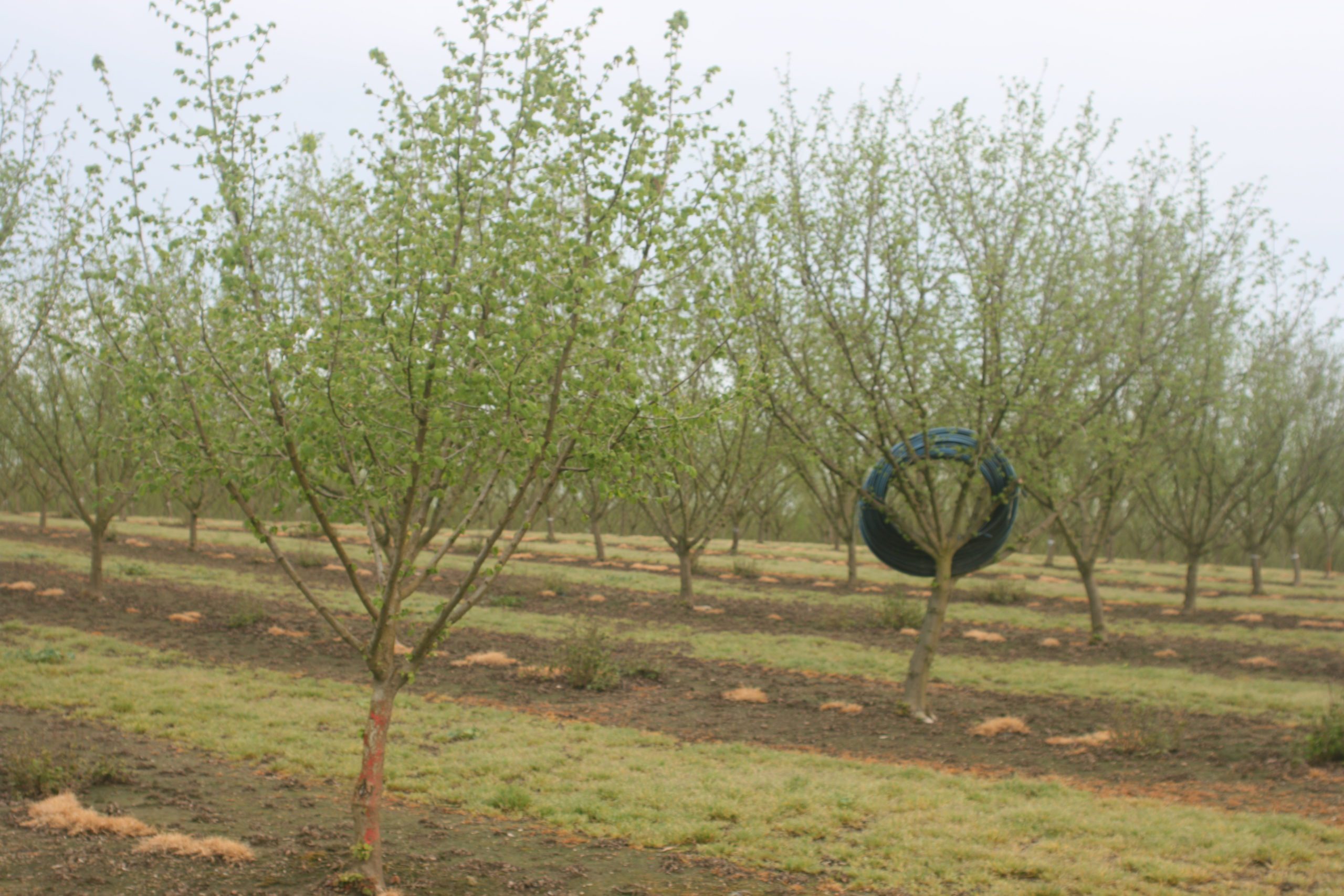
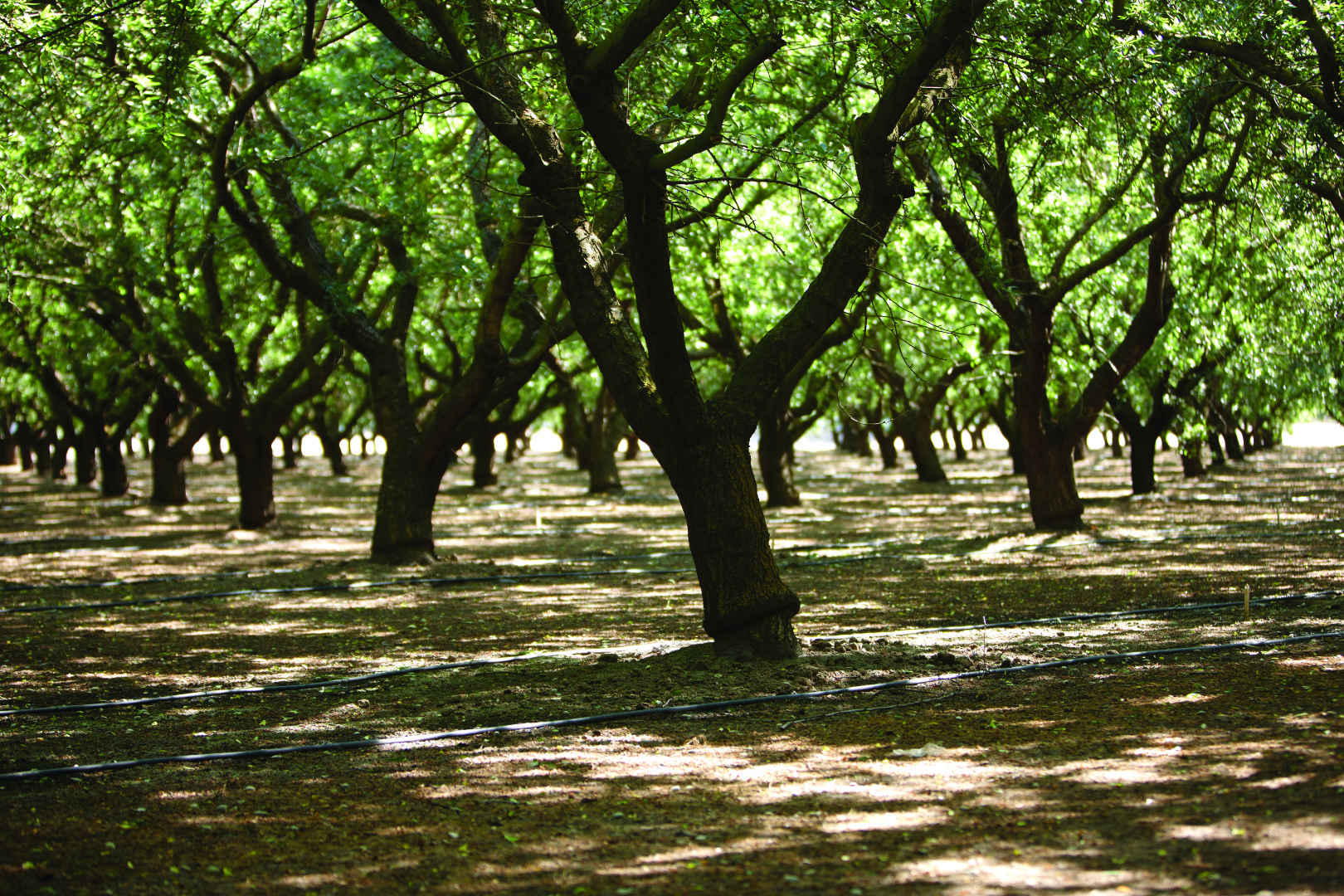
The Expert Panel has been provided a significant amount of data regarding fertilizer usage across various commodities in California. In reviewing the data, tree nut growers have been studied extensively to give perspective on the fertilizer use by region, with more than 5,000 farms having supplied data to their respective coalitions and the Central Valley Regional Board. There were several growers in each Central Valley region who were identified as “outlier growers,” but in a twist of good news, tree nut farms exceeding average fertilizer usage made up a small sample size of the available data. While that is great, the prospect of a hard cap on allowed fertilizer use per year in each respective commodity is concerning. Depending on the type of year growers experience, the flexibility to tailor the needs of the trees is necessary.
The Expert Panel has invited testimony from a range of stakeholders, including regional coalitions, community organizations and industry representatives. The Expert Panel has requested various organizations and representatives to speak on behalf of regional coalitions, community groups as well as industry. Community and environmental advocates have lobbied heavily for stringent limits on applications and removing the pseudo-anonymity provided in the Central Valley’s implementation of the order. Additionally, they have requested an increase in fines levied against outlier farms for fewer outlier incidents. Industry advocates have maintained that the current requirements implemented are protective of groundwater values and show the Central Valley region meeting water quality objectives by 2030. Commodity and industry-specific organizations have also given their input to point out their situationally specific limitations, as well as the efforts that they have made to do their part in meeting State Water Board requirements.
The Expert Panel is developing an early draft of its recommendations and is currently holding workshops to walk through the recommendations and make additional edits. Two additional meetings remain to gather public input. The Western Tree Nut Association, or WTNA, has supported the efforts of Tess Dunham, partner at the law firm of Kahn, Soares & Conway, who has testified on behalf of industry through several of the Expert Panel meetings. Additionally, WTNA intends to submit comments opposing any proposed limit on fertilizer use.
If you are interested, find the ILRP Expert Panel section on the State Water Board website. Interested parties are encouraged to visit the ILRP Expert Panel section of the State Water Board’s website for more information.